


Autonomous technology is ushering in a new era for the automotive industry, promising to transform the way we move in the near future. From vehicles capable of self-navigating and avoiding obstacles to the potential for minimizing accidents caused by human error, self-driving cars present an intriguing vision. However, in Vietnam—where traffic infrastructure and driving habits possess unique characteristics—is this technology truly feasible and safe? Let’s explore the potential and challenges of autonomous vehicles within the Vietnamese context.
Autonomous Technology: The Superior Capability of Artificial Intelligence
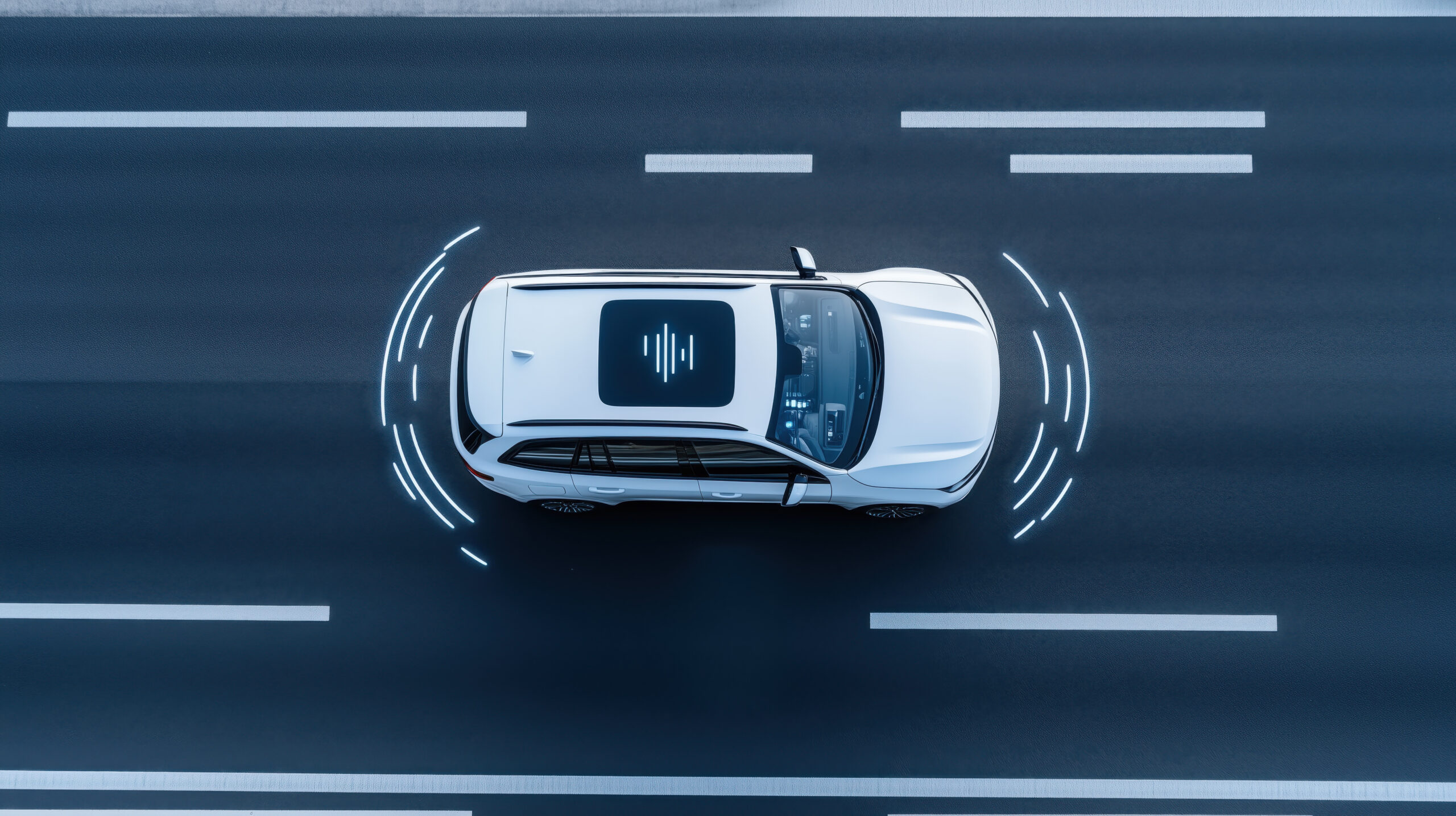
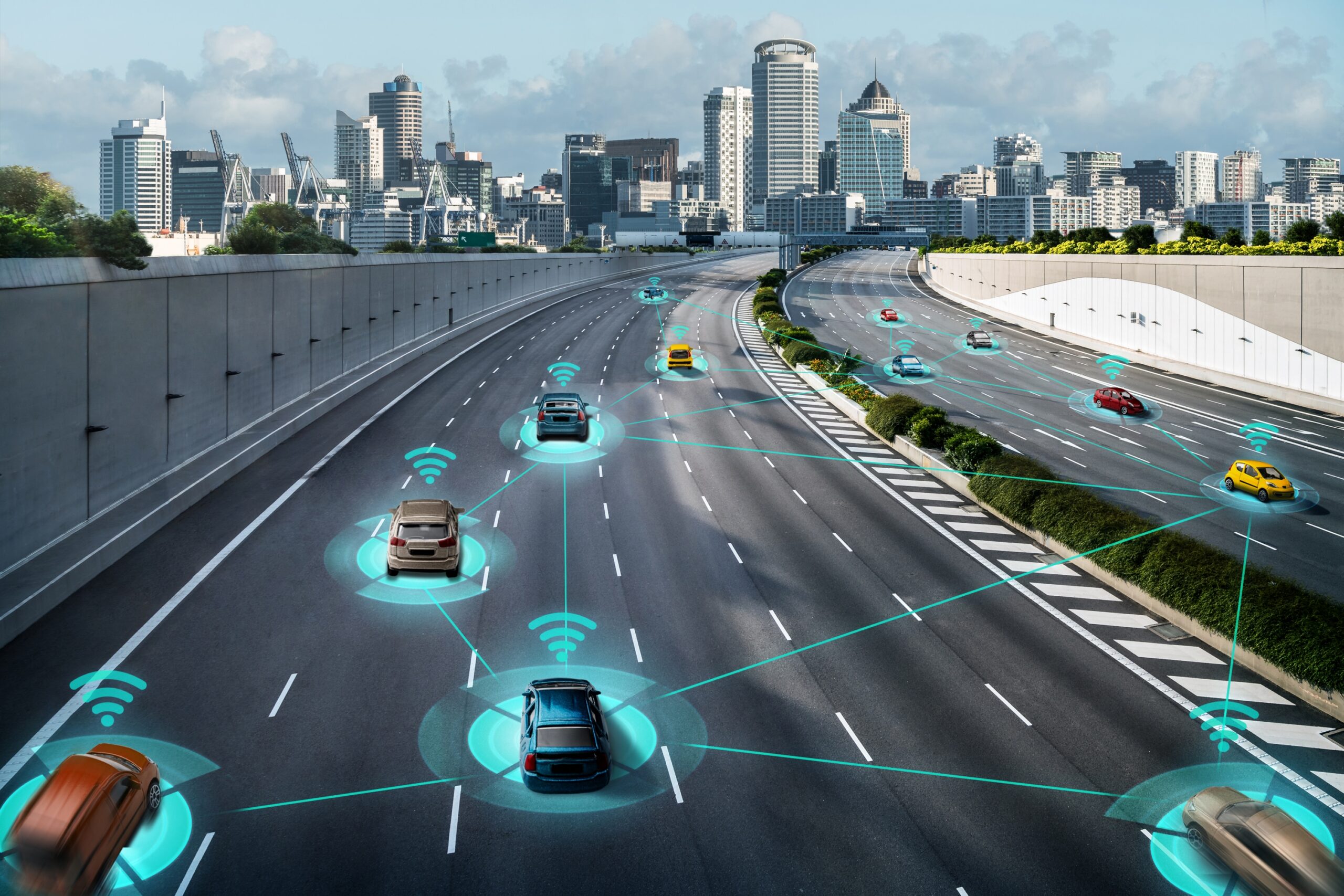
Self-driving cars operate based on a combination of Artificial Intelligence (AI), sensors, radar, and cameras. Pioneering models such as the Tesla Model 3 or Waymo One can identify lanes, adjust speeds, and avoid collisions without human intervention. In Vietnam, this technology is currently being researched and tested on a limited scale, primarily by major corporations or within controlled environments like smart cities. The ability to mitigate accidents caused by fatigue or distraction is a significant advantage, yet questions regarding overall safety remain open.
Challenges from Vietnam’s Traffic Infrastructure
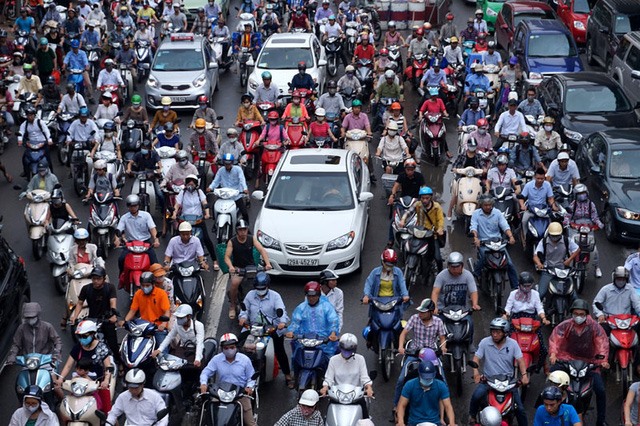
Despite the promise of autonomous technology, Vietnam faces numerous challenges in its implementation. Road infrastructure in major cities like Hanoi and Ho Chi Minh City is frequently congested, with high vehicle density and non-synchronized road systems. Autonomous vehicles require clear lane markings, standardized signage, and stable network connectivity—requirements that many areas in Vietnam have yet to meet. Additionally, the flexible and occasionally irregular driving habits of Vietnamese motorists may make it difficult for AI to predict and handle real-world situations.
Feasibility in Vietnam: A Cautious Approach
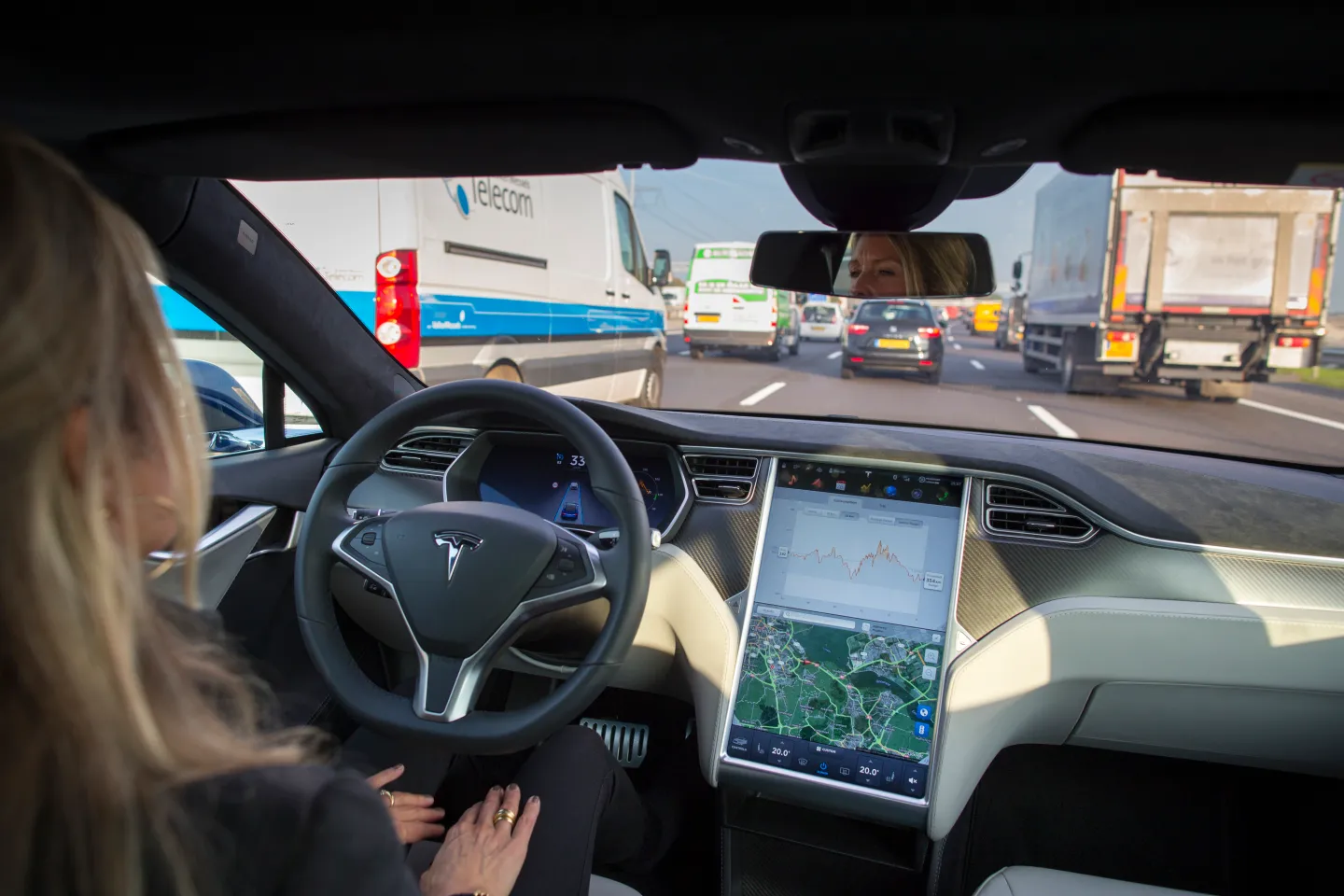
Currently, fully autonomous vehicles cannot yet be deployed on a mass scale in Vietnam; however, semi-autonomous driver-assistance features (such as emergency braking and lane-keeping assist) have already appeared on several high-end models. This serves as an important stepping stone for users to acclimate to the technology. In the future, the application of self-driving cars may be more feasible in industrial zones or new urban developments like Phu Quoc, where infrastructure is designed with modern standards. Nonetheless, to ensure safety, close coordination between the government, businesses, and the public is essential to upgrade infrastructure and establish a clear legal framework.