


The used car market in Vietnam is growing rapidly, becoming a popular choice for those looking to own a personal vehicle at a reasonable cost. However, buying a used car is not just about finding a cheap deal; it requires careful consideration to ensure long-term quality and savings. Below is a detailed guide to help you make an informed decision when entering this market.
Defining Needs and Budget: The Crucial First Step
Before starting, clearly define the primary purpose of the vehicle—whether it is for daily commuting, family transport, or long-distance travel. This allows you to narrow down the suitable vehicle types, such as a sedan, SUV, or hatchback. Simultaneously, establish a specific budget that includes the purchase price and reserves for maintenance and registration. A common rule of thumb is not to spend more than 70% of your total budget on the vehicle’s price, leaving the remainder for any unforeseen expenses.
Checking Vehicle History: Ensuring Clear Provenance
When selecting a pre-owned vehicle, checking its history is a step that cannot be overlooked. Ask the seller to provide the maintenance logbook, repair invoices, or registration documents to verify that the car has not been involved in serious accidents, water damage (flooding), or illegal modifications. In Vietnam, you can also request information from registration centers using the Vehicle Identification Number (VIN) to gain extra peace of mind regarding the car’s origin.
Assessing Vehicle Condition: Quality Over Price
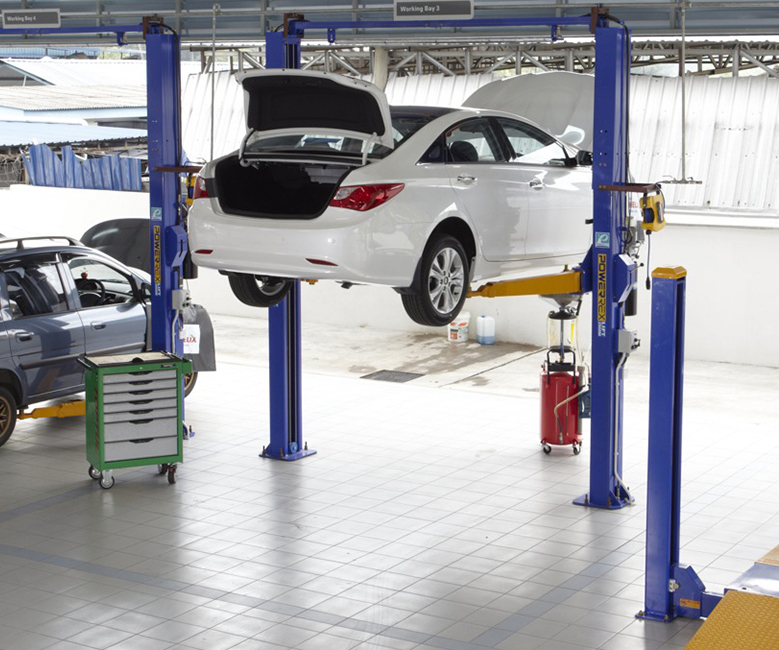
A quality used car requires a thorough inspection of the exterior, interior, and engine. Observe the bodywork to detect scratches, rust, or signs of repainting. Inside, check the seats, dashboard, and electrical components such as lights and air conditioning. Most importantly, take the car for a test drive to evaluate the engine, braking system, and steering. If you are not confident in your own assessment, you should bring along an experienced technician for a more accurate evaluation.
Price Negotiation and Contract Signing: Protecting Your Rights

Once you are satisfied with the vehicle’s quality, the price negotiation stage is the deciding factor for cost-effectiveness. Refer to the market prices of similar models via websites like Oto.com.vn or Cho Tot to establish a basis for comparison. When closing the deal, ensure that a notarized sales contract is signed, clearly stating the vehicle information, price, and commitments from both parties to avoid any legal risks.