

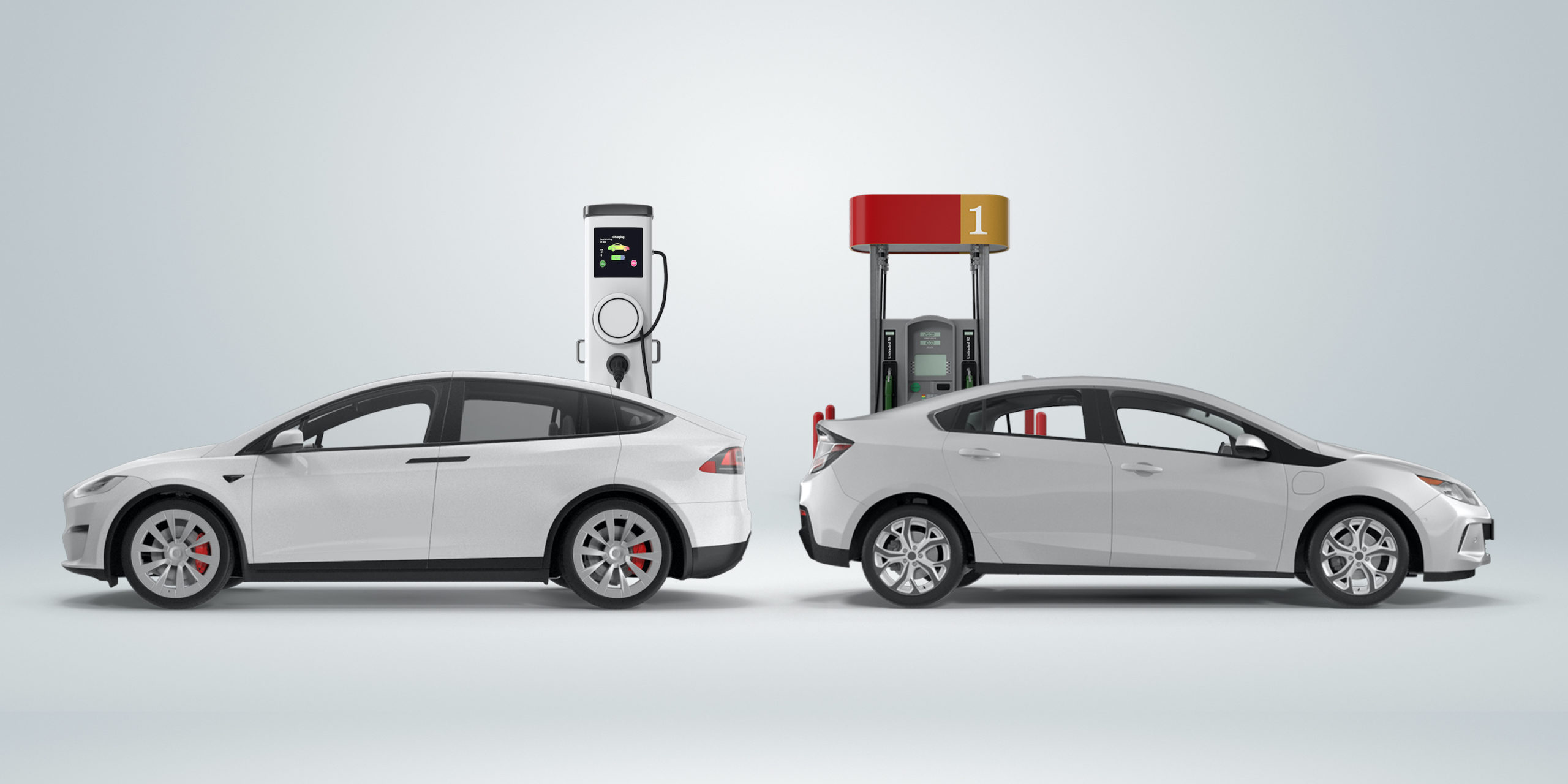
In the context of an increasing emphasis on sustainable development, the Vietnamese automotive market is witnessing a distinct shift toward eco-friendly vehicles, with hybrid and electric vehicles (EVs) emerging as trend-setting choices. This change not only reflects the new consumer demands of Vietnamese people but also signals a transformation of the entire automotive industry in the coming period.
The Vietnamese automotive market enters a green transition phase
In recent years, the concept of “green vehicles” has gradually become familiar to Vietnamese consumers. While price and brand were previously top priorities, fuel consumption, long-term operating costs, and environmental impact have now become crucial criteria in vehicle purchase decisions.
Evidence shows that sales of fuel-efficient, low-emission vehicles have trended toward steady growth, particularly in major cities where traffic and environmental pressures are increasingly evident. In this landscape, hybrid and electric vehicles have emerged as two suitable options for current and near-future driving conditions in Vietnam.
Hybrid vehicles: A practical choice for the transition period
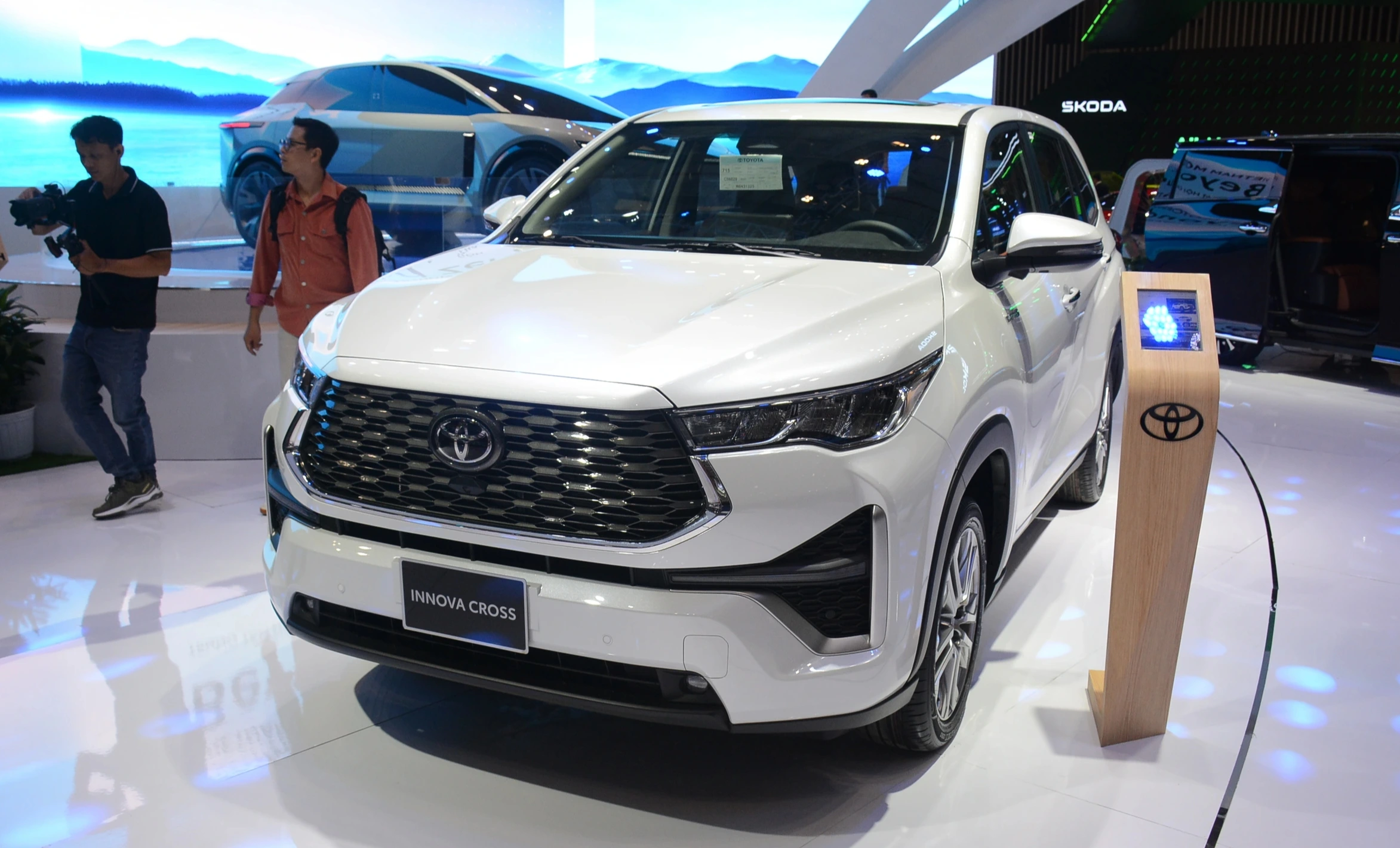
Hybrid vehicles currently play a vital role in the transition from internal combustion engine (ICE) vehicles to pure electric vehicles. By combining a gasoline engine with an electric motor, this line of vehicles significantly reduces fuel consumption and limits emissions without requiring drivers to change their usage habits.
According to market observations, hybrid vehicles have recorded strong growth, especially in the sedan and SUV segments—models popular among families and individuals for daily use. The lack of dependence on charging infrastructure makes hybrids a safe choice, particularly as Vietnam’s EV infrastructure is still being finalized.
Besides fuel efficiency, many car owners appreciate the smooth driving experience and reasonable maintenance costs of hybrids, which further contributes to the expansion of this segment in the market.
Electric vehicles: The long-term trend of Vietnam’s auto industry
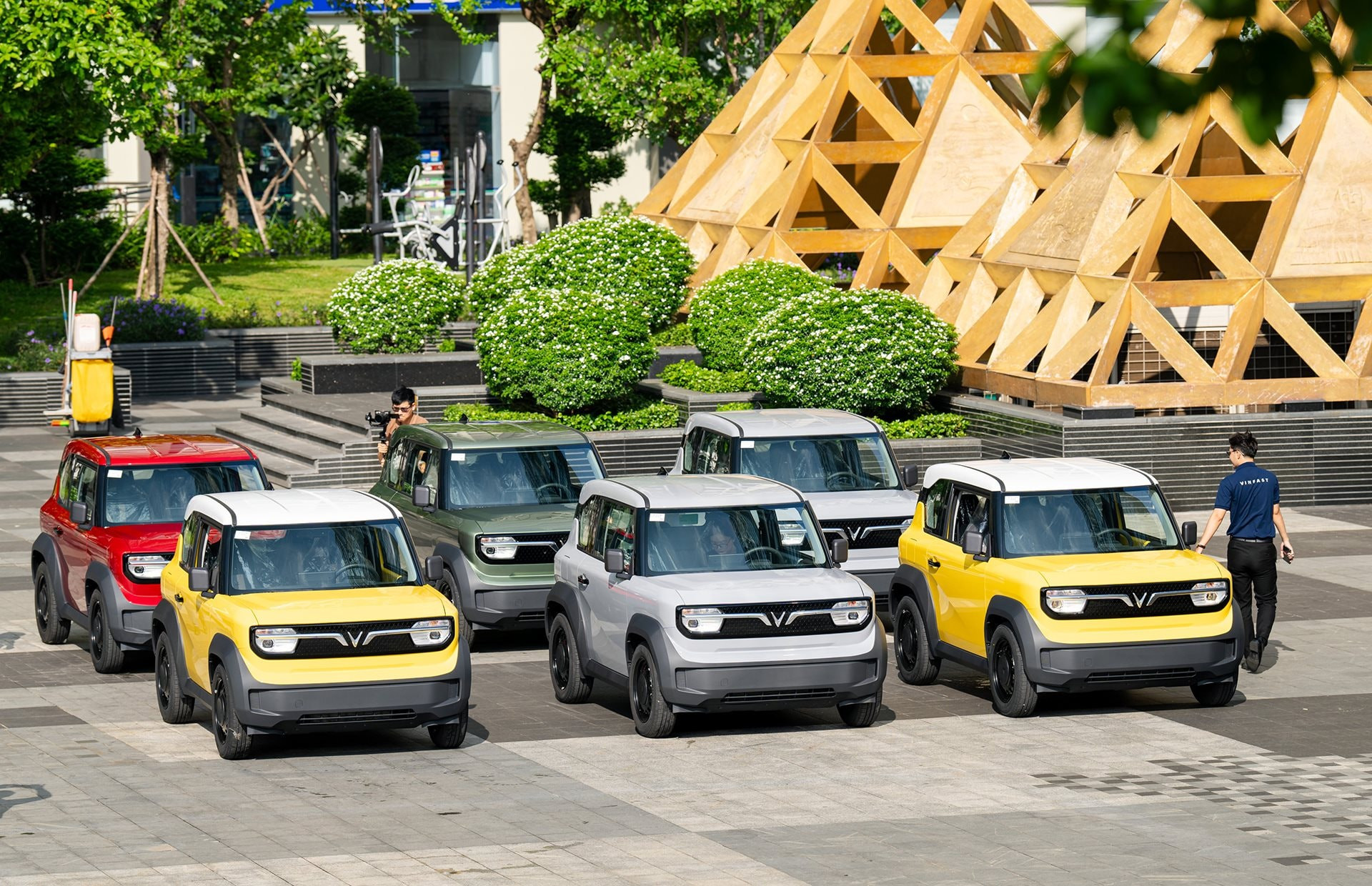
Parallel to hybrids, electric vehicles are gradually asserting their position as the long-term trend for the Vietnamese automotive market. Despite facing certain barriers such as charging infrastructure, charging times, or user hesitation, EVs have recorded remarkable growth rates thanks to clear advantages in operation and cost of ownership.
EVs offer significant benefits in fuel costs and reduced maintenance due to their simpler mechanical structure compared to ICE vehicles. Additionally, the quiet operation and zero direct emissions make EVs increasingly popular as major cities aim for sustainable development goals.
The growing diversity of EV models, ranging from mass-market to premium segments, also provides consumers with more choices that fit their needs and financial capabilities.
Infrastructure and Policy – Key drivers for green vehicles
The trend of hybrid and electric vehicle development in Vietnam is driven not only by market demand but also by policy factors and infrastructure investment. The implementation of preferential tax policies and registration fee incentives for EVs demonstrates a clear orientation toward encouraging environmentally friendly transportation.
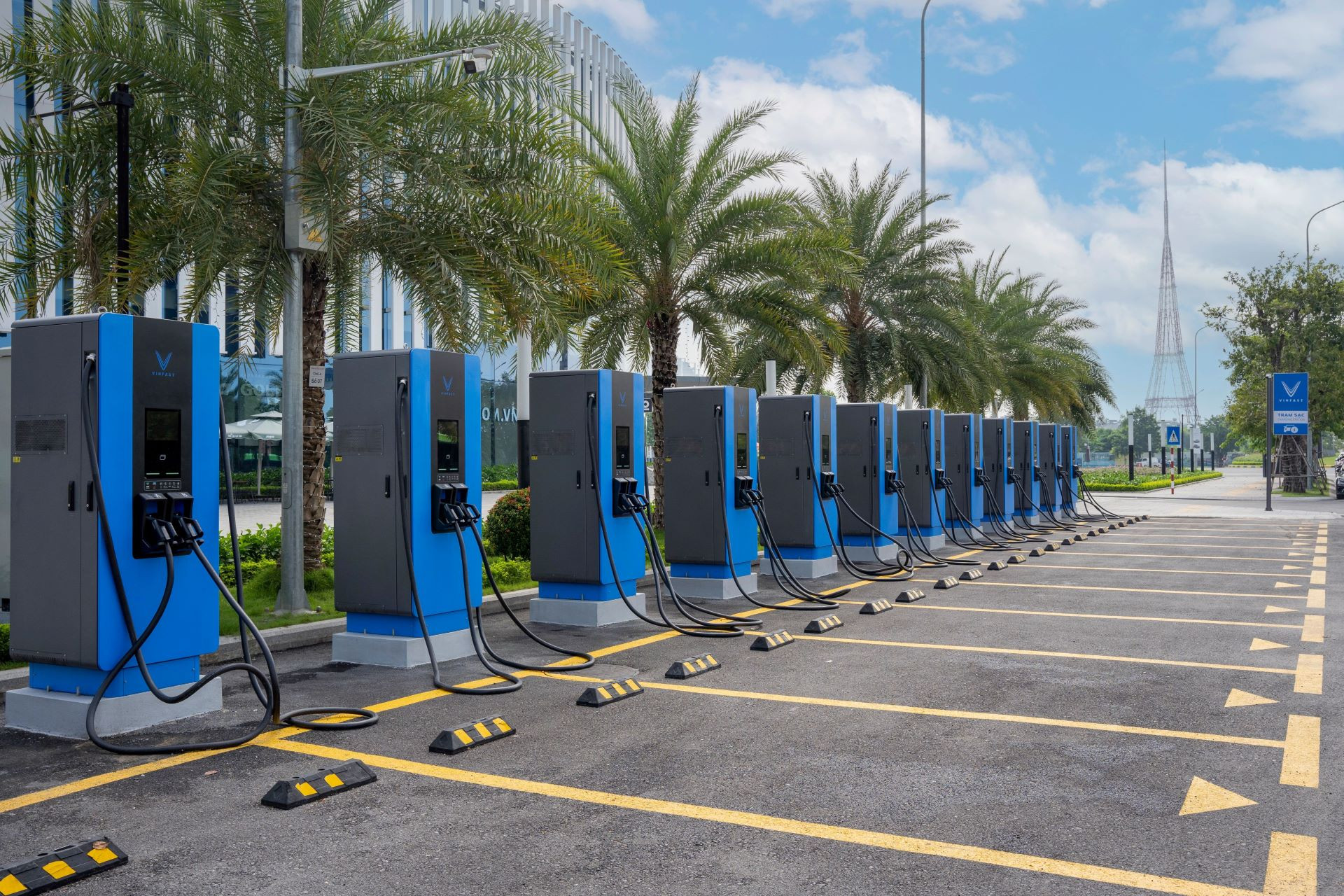
Furthermore, charging infrastructure is being expanded step-by-step in major cities, shopping malls, residential areas, and key traffic routes. In 2025, the number of charging stations recorded exceeded 150,000, spanning 63 provinces and cities. This helps alleviate user concerns and sets the stage for even stronger EV growth in the future.
Impact on consumer behavior and automaker strategies
The shift toward hybrid and electric vehicles is forcing automakers to adjust their product strategies in Vietnam. Instead of focusing solely on traditional engines, many manufacturers have ramped up the distribution of fuel-efficient models while researching the expansion of their EV portfolios in the coming years.
On the consumer side, this trend shows that car-buying behavior is becoming more “rational,” with long-term cost-benefit analyses and sustainable value being prioritized. This is particularly evident among younger customers, urban residents, and experienced car owners.
An inevitable trend for the Vietnamese automotive market
Looking at the overall market, hybrid and electric vehicles are step-by-step leading the green transition of the Vietnamese automotive industry. In the short term, hybrids will continue to play a primary role due to their flexibility and infrastructure compatibility, while EVs are expected to grow more rapidly as barriers are gradually removed.
In the long run, the development of these two segments will not only contribute to reducing emissions and protecting the environment but also create a more modern and sustainable automotive ecosystem, aligning with Vietnam’s future development goals.