
A car is not just a means of transportation; it is a reliable companion in daily life. To maintain peak performance and extend the lifespan of your vehicle, proper maintenance is the key factor. A reasonable maintenance schedule not only ensures smooth operation but also guarantees safety and saves on long-term repair costs. Below are the essential maintenance steps that every car owner should master.
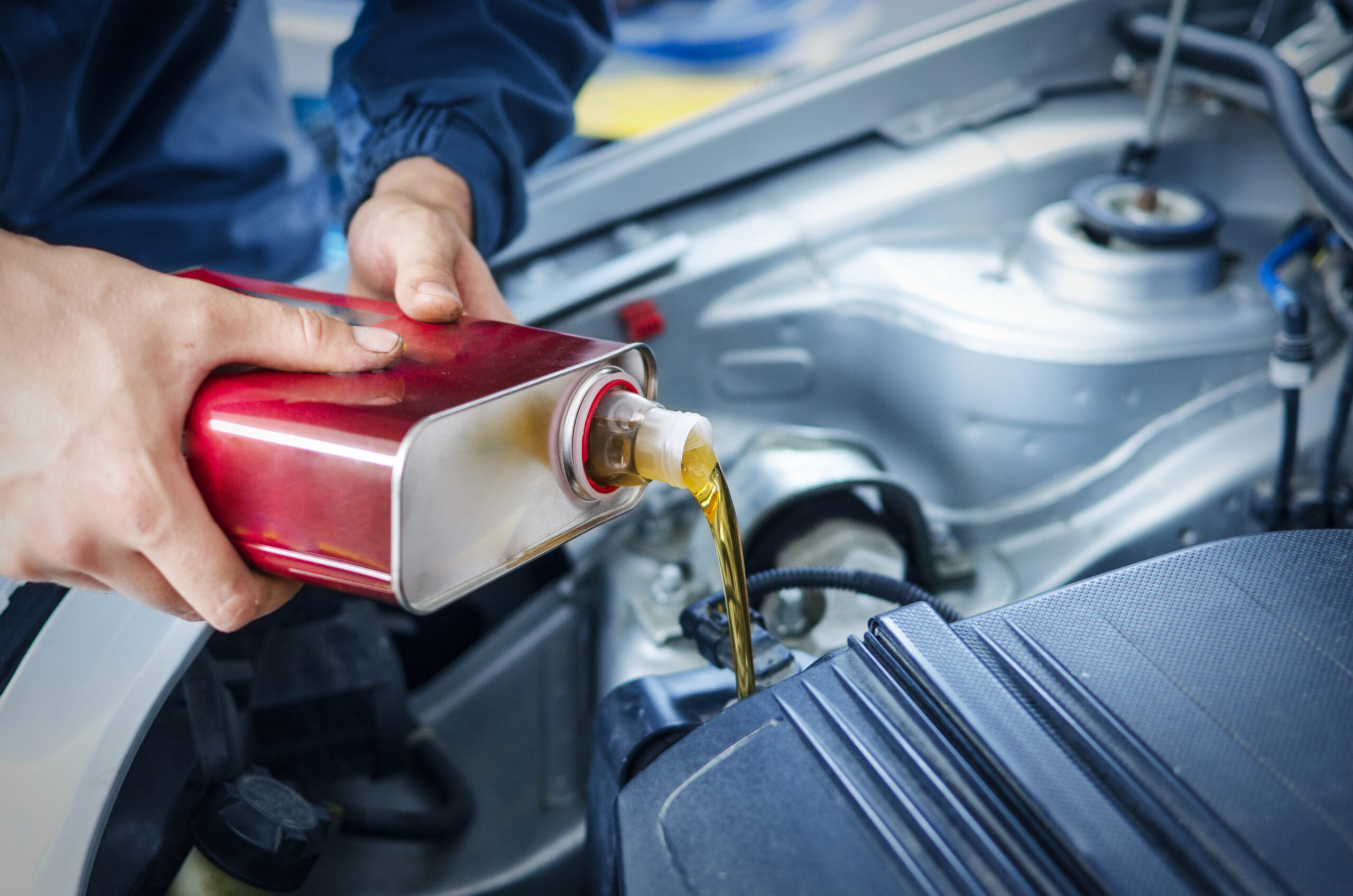
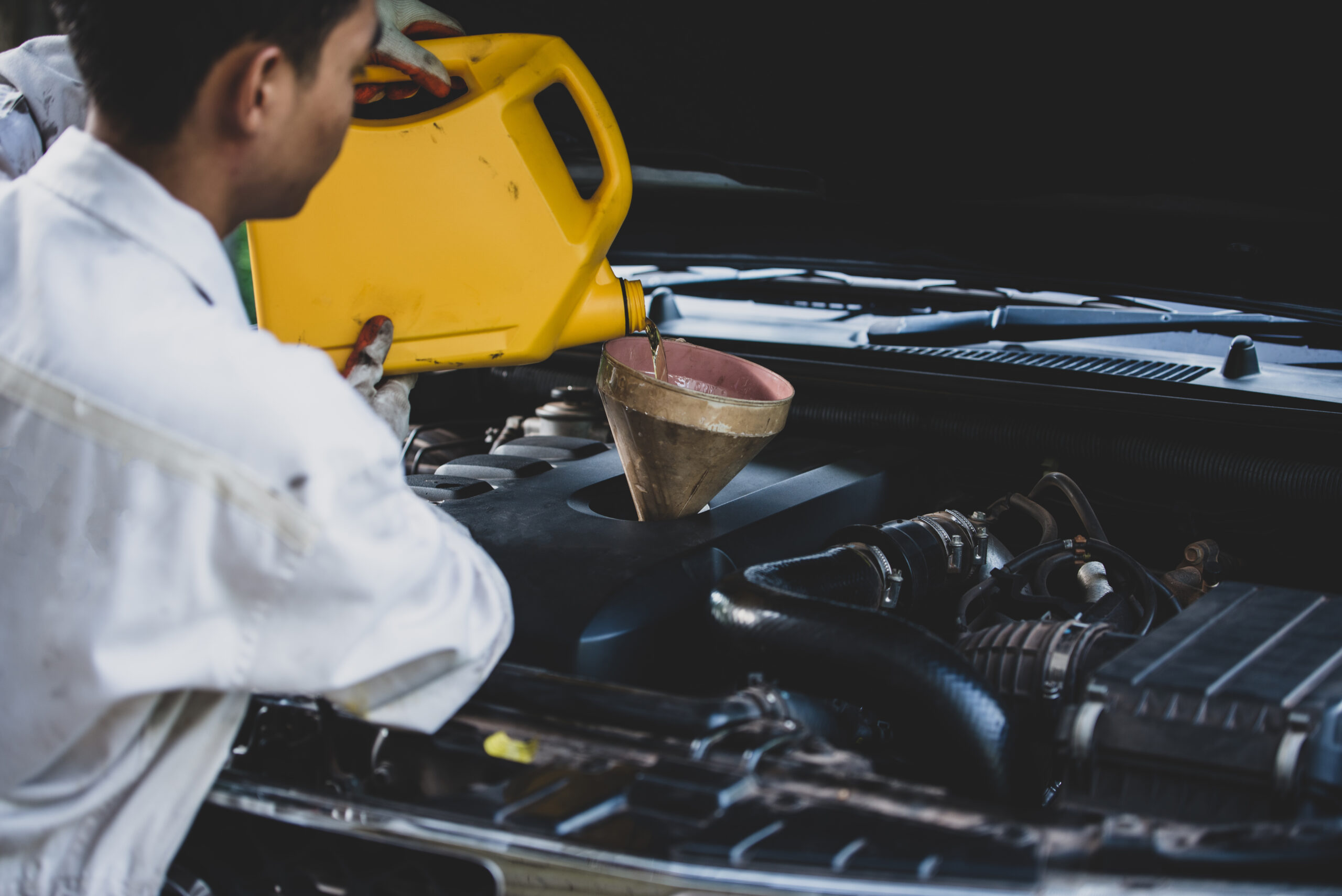
Routine Oil Changes: Nourishing the “Heart” of the Car
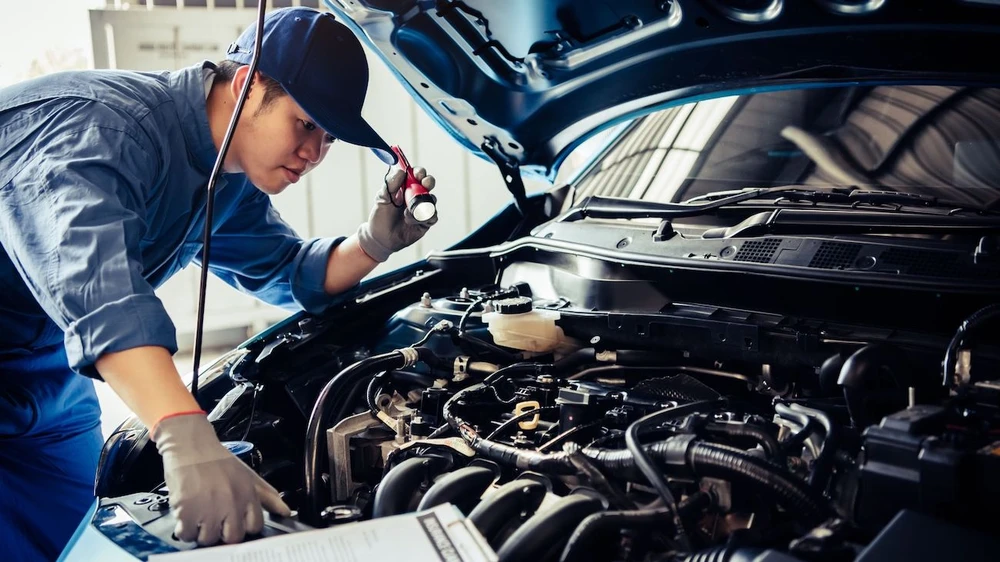
Engine oil acts as the “blood” of the engine, lubricating components and reducing friction. Experts recommend changing the oil every 5,000 to 10,000 km, depending on the oil type and driving conditions. When changing the oil, do not forget to inspect and replace the oil filter to ensure the engine always operates in top condition. This not only boosts performance but also prevents serious mechanical breakdowns.
Tire Inspection and Maintenance: Ensuring Road Grip
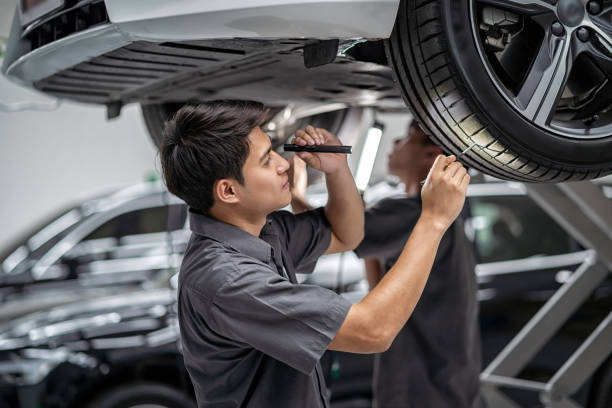
Tires are components under high pressure and directly affect driving safety. Check your tire pressure monthly and every 5,000 km to ensure it meets the manufacturer’s standards. Simultaneously, observe the tread wear and replace the tires if they are excessively worn or show cracks. Do not forget to rotate your tires periodically to ensure even wear, which helps the vehicle operate stably and improves fuel efficiency.
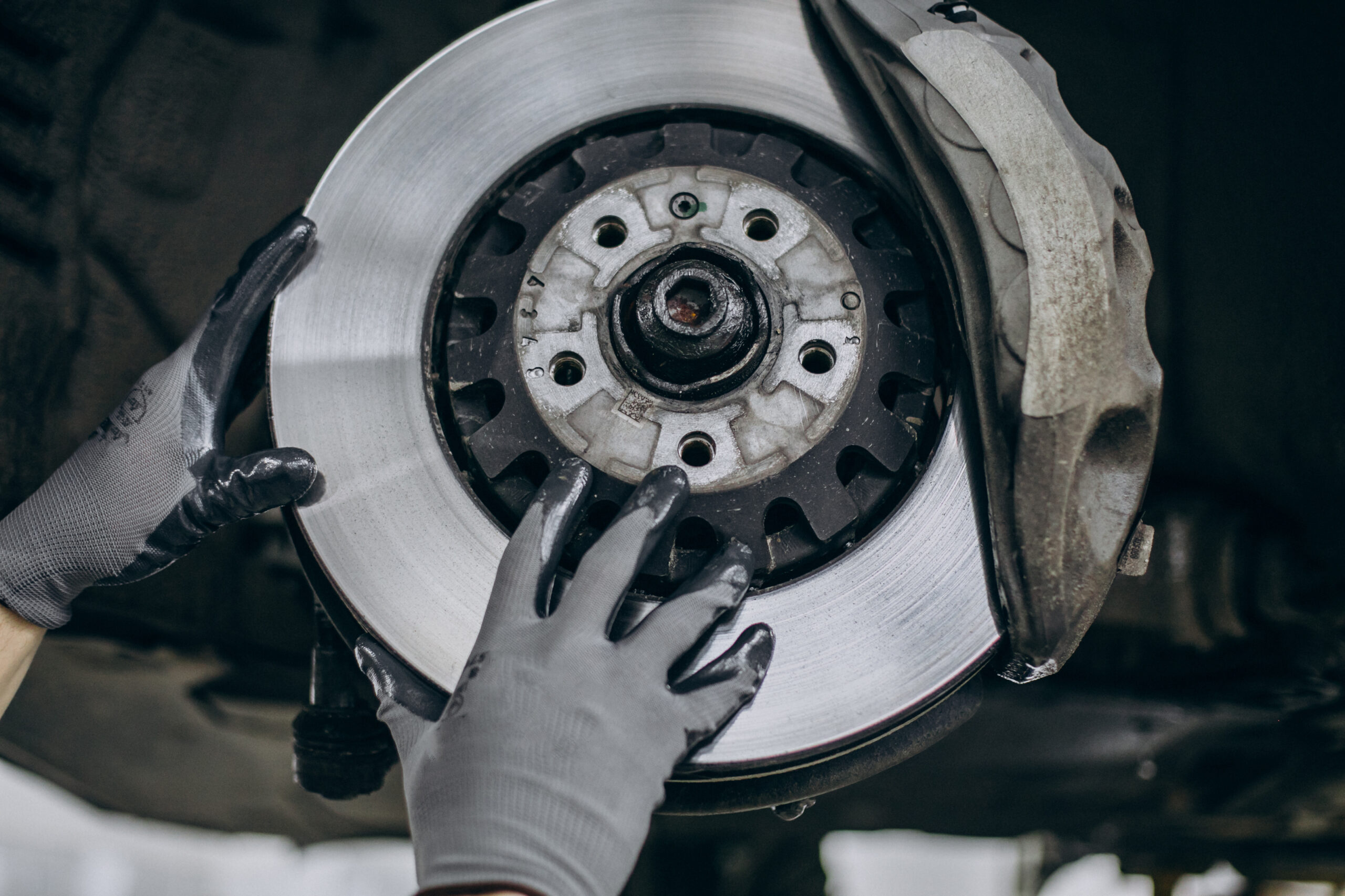
Brake System Care: Safety as the Top Priority
The braking system determines the vehicle’s ability to stop promptly in emergency situations. Every 10,000 km or 6 months, inspect the brake pads, brake discs, and brake fluid levels. If you hear unusual noises or feel that the brakes are unresponsive, take your car to a garage immediately to replace necessary components. A well-functioning brake system is a vital factor in protecting you on every journey.
Battery and Electrical System Maintenance: Keeping the Car Ready
The battery is the power source for the vehicle, which is especially important for electrical devices such as lights, air conditioning, and the ignition system. Periodically check the battery terminals, clean off any corrosion, and top up with distilled water if necessary. Additionally, ensure that the headlights, taillights, and signal lights are functioning normally to support visibility and safe communication while driving.