

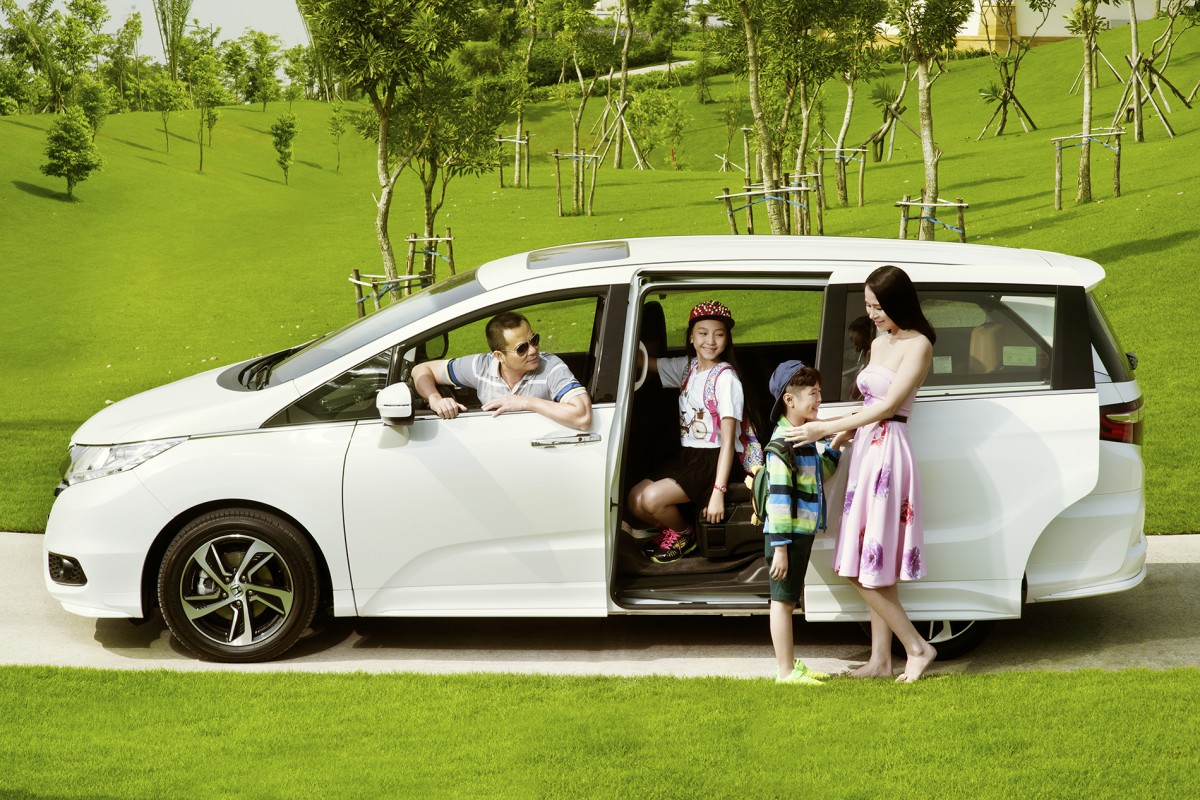
In recent years, driven by the expansion of the middle class, rising per capita income, and a greater demand for personal mobility, car ownership rates in Vietnam have shown a rapid upward trend. However, these rates remain low compared to many countries in the region. This landscape reflects both socio-economic development and the vast potential for the automotive market to boom in the future.
Ownership rates are rising fast but remain low
According to the 2024 mid-term population and housing census results released by the General Statistics Office, only about 9.0% of Vietnamese households own a personal car, equivalent to 2.533 million households out of a total of 28.15 million. This rate has increased by approximately 3.3 percentage points compared to previous figures, indicating that personal car ownership has grown nearly 1.6 times in just the last five years.
In terms of the number of vehicles per total population, Vietnam has about 68 vehicles per 1,000 people, with passenger cars (9 seats or fewer) reaching approximately 34 vehicles per 1,000 people.
While these figures show improvement, Vietnam still ranks low compared to other nations in Southeast Asia, opening up significant growth potential for the domestic automotive market.
Regional Comparison: A Clear Growth Opportunity
Other countries in the region have significantly higher car ownership rates per capita than Vietnam. Specifically, according to data from the International Organization of Motor Vehicle Manufacturers (OICA), Brunei leads the region with over 805 vehicles per 1,000 people, followed by Malaysia at approximately 490, while Thailand and Singapore stand at 275 and 211 per 1,000 people, respectively. These figures highlight that Vietnam is still far from the regional average, with only about 68 vehicles per 1,000 inhabitants.
This comparison suggests that Vietnam has the potential for robust growth over the next decade if socio-economic conditions continue to improve.
Drivers of Increasing Car Ownership
1. Rising Income and Urbanization
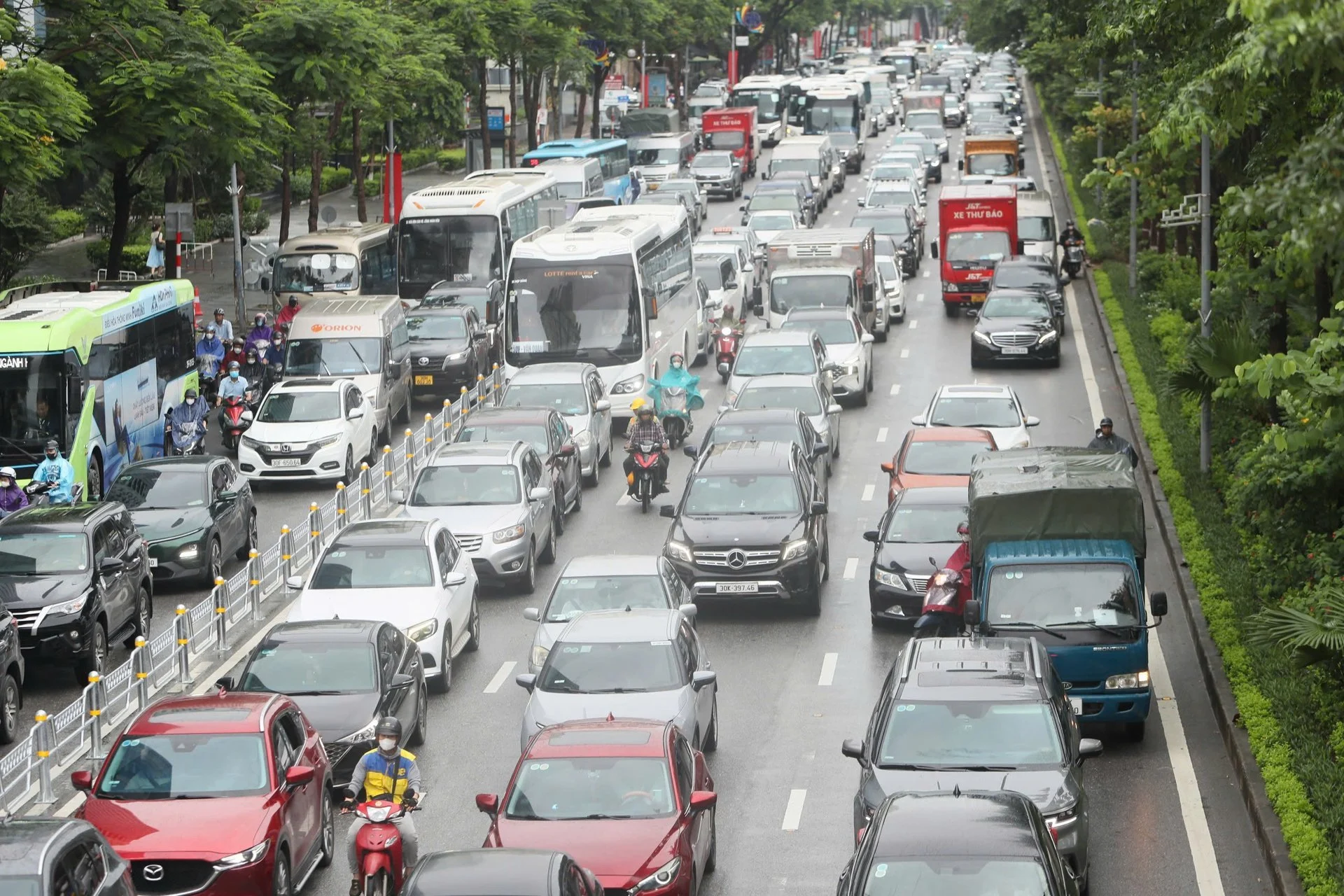
Household income and the general standard of living in Vietnam have constantly improved in recent years. As income levels rise, the cost of purchasing a car—traditionally a major investment—becomes more accessible to many families, particularly in major hubs like Hanoi and Ho Chi Minh City. Reports indicate that car ownership in urban areas is significantly higher than in rural areas, reflecting the strong link between urbanization, income, and the demand for automobiles.
2. A Vibrant Automotive Market in 2025
Latest data from the Vietnam Automobile Manufacturers Association (VAMA) shows that total car sales in 2025 increased by nearly 6% compared to the same period in 2024, with approximately 313,359 units sold during the year. This reflects a consistently strong demand despite economic fluctuations.
Domestic production growth has also been impressive in the early months of 2025, with monthly output increasing by double digits compared to the previous year, as locally manufactured vehicles see a strong upward trajectory.
3. Diverse Demands and New Choices
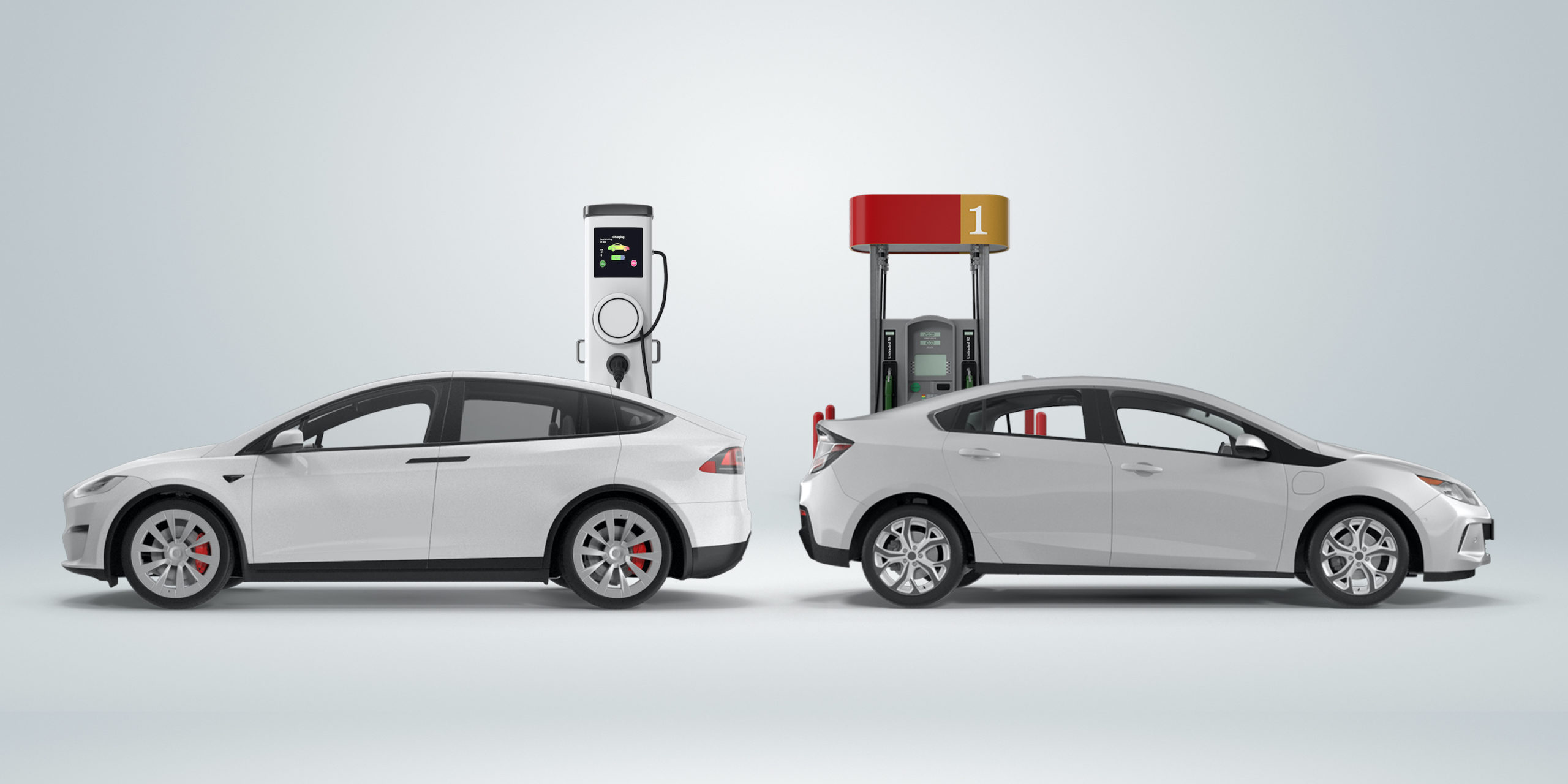
As consumers place more emphasis on personal transportation, owning a car is no longer just about basic mobility. It now encompasses criteria such as fuel efficiency, safety, comfort, and environmental protection. This drives growth in both traditional segments and “green” segments like hybrids and electric vehicles.
Ample Room for Growth
Despite the rapid increase in ownership rates, the overall market still shows significant room for expansion. Compared to other Southeast Asian countries, Vietnam remains in the lower tier regarding vehicles per capita. This gap reflects the reality that car ownership is not yet widespread, especially outside of major cities.
From a socio-economic perspective, the growth potential of the automotive market is closely tied to rising incomes and the expansion of the middle class. As incomes stabilize, cars are gradually shifting from being a “luxury” asset to a practical means of daily transport for households. This trend is most evident in rapidly urbanizing areas with high population densities and an increasing demand for safe and comfortable travel.
In addition to income, improvements in transport and urban infrastructure play a vital role. The expansion of ring roads, inter-regional highways, and the development of new urban areas are creating more favorable conditions for personal car use, not only within city centers but also in suburban and satellite provinces.
Overall, the large gap between car ownership in Vietnam and its regional peers is clear evidence of market potential. If income, infrastructure, and policy conditions continue to improve, ownership rates in Vietnam are likely to keep rising in the coming years, laying the foundation for the long-term sustainable development of the entire industry.
Outlook: Toward Higher Ownership Levels
Based on current growth rates and market forecasts, car ownership in Vietnam is expected to continue rising, heading toward higher milestones as income, infrastructure, and product variety improve.
The aforementioned data indicates that Vietnam possesses both strong growth momentum and vast untapped potential, creating long-term opportunities for manufacturers, distributors, and consumers alike.