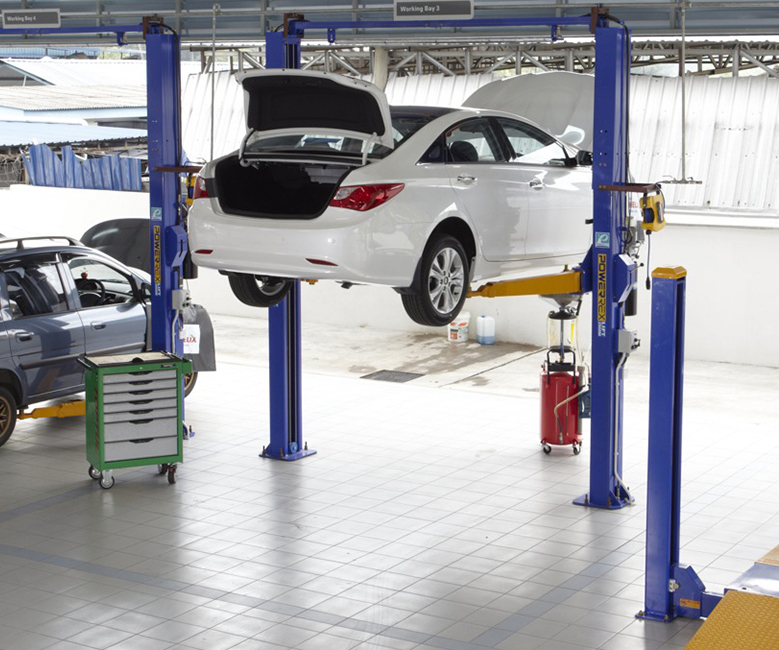



As Vietnam’s automotive industry continues to expand and the average age of vehicles on the road increases, the automotive aftermarket (replacement parts, modifications, and upgrades outside the genuine OEM system) is considered one of the most promising market segments today. Beyond meeting the needs for repair, maintenance, and vehicle upgrades, this market opens up significant business opportunities for distributors, service garages, and domestic component manufacturers.
The Global and ASEAN Market Landscape
According to forecasts from market research organizations, the scale of the global automotive aftermarket is substantial and is expected to grow rapidly in the coming years. Recent reports estimate this market will reach $498.35 billion by 2025 and is projected to rise to $535.46 billion in 2026, with a compound annual growth rate (CAGR) of approximately 7.4% from 2025 to 2030.
In the ASEAN region, the aftermarket is also on a fast-track expansion. In 2025, the ASEAN market size was valued at approximately $28.8 billion and is forecasted to increase to nearly $63.9 billion by 2035, driven by a robust CAGR of roughly 8.3% per year.
These figures reflect the growing demand for repairs, maintenance, and parts replacement, partly due to the increasing vehicle population and the rising average lifespan of automobiles, which triggers a higher demand for components once vehicles move beyond their official warranty periods.
Potential in Vietnam – Numbers that Speak of Opportunity
In the domestic market, the latest aggregated data shows that the scale of Vietnam’s auto parts market reached approximately $1.2 billion in 2023 and is projected to rise to about $2.1 billion by 2028, representing a CAGR of around 11.5% during the 2024-2028 period.
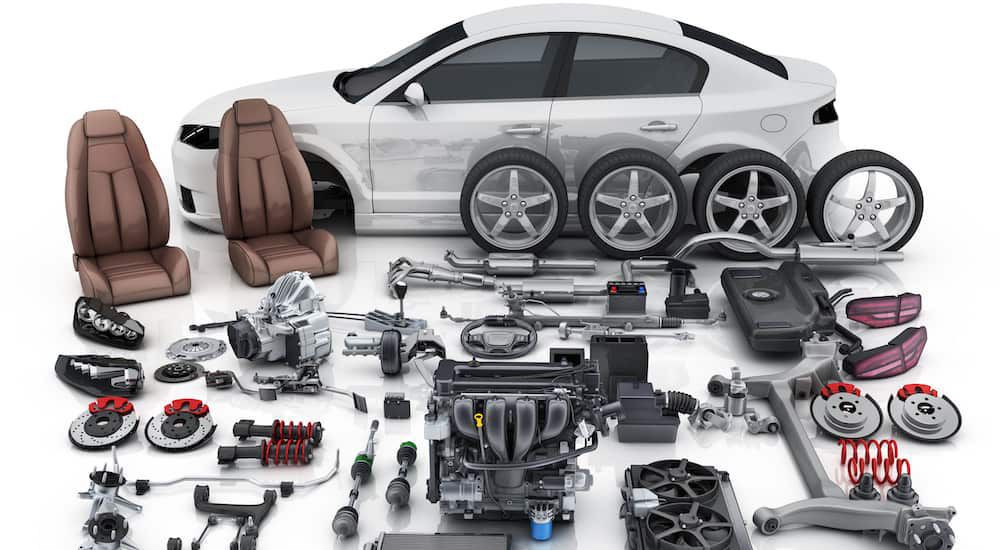
Approximately 60% of this total market size is accounted for by aftermarket parts, with the remainder belonging to OEM (Original Equipment Manufacturer) parts for new vehicle assembly. These statistics demonstrate that the aftermarket sector is playing an increasingly vital role in Vietnam’s automotive component ecosystem, especially as the volume of older vehicles or those out of warranty grows significantly, driving the demand for parts and standardized repair and care services.
Key Growth Drivers
One of the primary drivers of the aftermarket’s potential in Vietnam is the surge in the total vehicle population—including domestically manufactured and imported vehicles—alongside a boom in the used car market. As more vehicles hit the road and their average age increases, the need for part replacements and periodic maintenance grows noticeably.

Furthermore, the demand for high-quality aftermarket products from international brands such as Bosch, Denso, Mann-Filter, and Brembo is rising fast. Consumers are increasingly prioritizing quality, compatibility, and reasonable pricing compared to genuine OEM parts.
Additionally, the shift toward hybrid and electric vehicles is creating a new aftermarket niche, as components related to electrical systems, batteries, and control modules require replacement or upgrades over time.
Opportunities and Challenges for Domestic Enterprises
For local businesses, the aftermarket opens up attractive opportunities ranging from importing and distributing components to aftersales services, repairs, and detailing. By leveraging Vietnam’s automotive industry development policies, which encourage domestic production and attract investment into the supporting ecosystem, businesses can expand their market share.
However, the market also faces considerable challenges, most notably the issue of product quality and reputation. Given the diverse supply sources from countries like China, South Korea, Thailand, and Indonesia, controlling quality and avoiding counterfeit or substandard goods remains a major hurdle for Vietnam’s parts market.
Moreover, the polarization of the repair and aftersales market sets higher requirements for workforce skills and process standardization. Garages and service centers wishing to tap into the aftermarket potential must enhance their diagnostic capabilities, technical expertise, and deep understanding of both OEM and aftermarket parts.
Long-term Outlook
Overall, the global, ASEAN, and Vietnamese markets are all in a phase of strong growth. The expansion of the automotive market, coupled with the rising demand for repairs, maintenance, part replacements, and upgrades, continues to increase the value of the aftermarket—a crucial component of the post-purchase automotive ecosystem.
For businesses, distributors, and the mechanic community, the aftermarket is not only a stable revenue source but also a long-term strategic territory as the automotive markets in Vietnam and worldwide continue to evolve. While the opportunity is clear, success will belong to those who can standardize quality, enhance service levels, and keep pace with the ever-changing technological trends in this industry.